
Wet carpet water damage can be saved in one situation: the water was clean, and drying started within 24 to 48 hours.
Outside that window, the odds fall fast. The water type and the clock decide almost everything.
And even in the best case, the padding under the carpet usually does not survive, even when the carpet itself does.
This page gives you the whole decision in one place: the water rule, the 48 hour window, why the pad goes, how pros dry it, and the point where you stop and replace.
Can wet carpet be saved after water damage?
Sometimes, and it comes down to three things restoration crews weigh before they decide.
- What kind of water soaked it. Clean water gives the carpet its best odds. Contamination lowers them fast.
- How long it stayed wet. The longer moisture sits, the higher the risk of mold and permanent damage.
- How deep it soaked. The carpet face dries far easier than the pad and subfloor beneath it.
Get all three in your favor and the carpet is often salvageable. Miss on any one and replacement usually wins.
The moisture also does not stop at the carpet. It sinks into the pad, the tack strip, and the drywall and framing nearby, which is its own drying job.
The clean, gray, black water rule for wet carpet
The restoration industry sorts water into three categories under the IICRC S500 standard, and the category sets the whole plan.
- Category 1, clean water from a supply line, a tub overflow, or rain. Carpet and sometimes the pad can be saved if you move fast.
- Category 2, gray water from a washing machine, dishwasher, or waterbed. The carpet can often be cleaned and sanitized, but the pad is discarded.
- Category 3, black water from sewage or outdoor flooding. Carpet and pad both get thrown out. No exceptions.
Here is the catch most people miss. Clean water does not stay clean. NC State Extension notes that gray water becomes black water once it sits untreated past 48 hours as bacteria multiply.
So a Category 1 leak you ignore for two days is no longer a Category 1 job. The clock changes the category, and the category changes what you can keep.
If the source was a toilet, a drain, or water that came in from the street, treat it as contaminated sewage water and do not try to clean it yourself.
How long can carpet stay wet before mold?
About 24 to 48 hours. That is the single most important number in this whole decision.
Under warm, damp conditions, mold begins growing in 24 to 48 hours on materials that stay wet, per EPA guidance. Carpet, with its fibers and backing, is an ideal host.
NC State Extension is even stricter for contaminated water: treat it within 24 hours, or mold and fungi can grow to numbers that become a health risk.
Carpet that has been wet for more than 72 hours with no drying is generally replaced, whatever the water was. By then the pad and subfloor are compromised.
This is why the phone call comes before the shop vac. Every hour the carpet sits wet moves it closer to a tear-out, and a musty smell means mold has already started.
Does wet carpet padding always have to go?
Almost always, yes. The padding is the part that loses, even when the carpet on top is fine.
Foam and rebond padding act like a sponge. They soak up and hold water against the floor, and they rarely dry before mold sets in.
There is one narrow exception. NC State Extension says clean-water pad can be saved only if it was wet less than 48 hours and only part of the room's padding got soaked.
For gray or black water, there is no exception. Contaminated padding is removed and disposed of, because it cannot be disinfected all the way through.
The good news: pad is cheap to replace compared to the carpet. Crews routinely pull and swap the pad while drying and reusing the carpet above it.
How professionals dry wet carpet in place
The pro method is not a box fan and a hope. It is extract, lift, and force air, in that order.
First, a truck-mounted or portable extractor pulls the standing water out of the carpet and backing. This removes far more than any home vacuum can.
Then comes floating the carpet. The crew unhooks a corner from the tack strip and blows air underneath so the carpet lifts and dries on both sides at once.
If the pad is being saved, that is partial floating. If the pad is coming out, they remove it, re-lay the carpet, and full-float the carpet over the bare subfloor.
Around the clock, air movers and a dehumidifier run together. Air movers push evaporation off the surface, and the dehumidifier pulls that moisture out of the room.
In-place drying usually takes 3 to 5 days of continuous equipment. Pulling the machines early is how carpet looks dry on top but grows mold in the backing.
Signs your wet carpet is ruined and must be replaced
Some carpet cannot be brought back no matter how good the crew is. Watch for these tear-out signals.
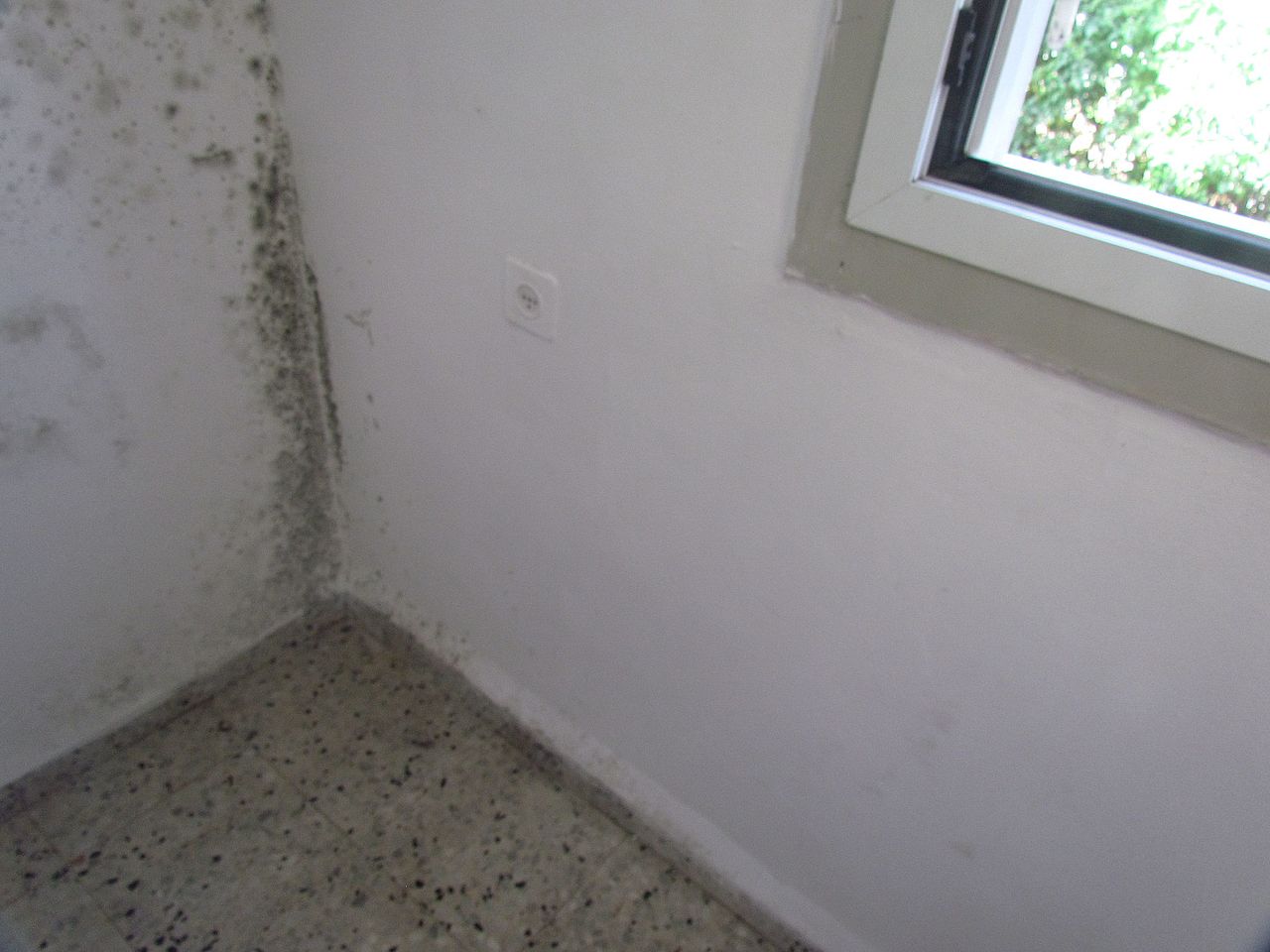
- Dark spots or fuzzy growth on the carpet or its backing, which is visible mold.
- A musty smell that stays even after cleaning, meaning mold is living in the fibers or pad.
- Backing that has separated or come apart, called delamination, across a wide area.
- Staining that will not clean out, or carpet that shrank and no longer fits the room.
- Any contact with sewage or flood water, which rules the carpet out on its own.
One fair-warning note on delamination. Moisture can loosen the backing glue temporarily, and that alone is not proof the carpet is dead.
A small loose patch can sometimes be re-glued. But widespread delamination means the carpet's structure has failed, and re-gluing a whole room rarely holds.
If you find mold, do not just cover it back up. Learn how dangerous the mold under your carpet really is before you decide to keep it.
When wet carpet water damage means replacement, not restoration
Three conditions push a carpet from save to replace, and any one of them is enough.
First, Category 3 black water. The CDC advises throwing away anything you cannot clean and dry quickly, and it names carpet, carpet padding, and rugs directly.
Second, time. FEMA and EPA guidance treats porous items wet for more than 48 hours that cannot be fully dried and disinfected as items to discard.
Third, mold that has taken hold. The EPA warns that porous materials like carpet may have to be thrown away once moldy, because mold fills the crevices and cannot be fully removed.
The reason is simple. Carpet is porous, so contaminated water and mold get into spaces you cannot reach, and a cleaning that looks done still leaves a health risk behind.
The same logic decides other soaked materials. Whether wet hardwood floors can be saved turns on the same mix of water type and drying speed.
Carpet soaked by sewage, a flood, or water that has been sitting for days? That is a tear-out and a health call, not a cleanup.
(844) 502-1354Can you dry wet carpet yourself, or should you call a pro?
For a small, clean-water spill caught within hours, you can try to dry it yourself.
Pull the carpet back, remove the wet pad, run fans and a dehumidifier, and keep the room humidity below 50 percent until everything is bone dry.
But be honest about the gear. Homeowners on restoration forums are blunt that box fans will not do it, and a rented consumer carpet cleaner is weak next to a real extractor.
The classic mistake is drying the surface only. The carpet feels dry, the pad and subfloor are still wet, and mold shows up two weeks later.
Call a professional the moment the water was contaminated, the area is large, the carpet sat overnight, or you smell must. That is where a crew saves you money instead of costing it.
Before you decide, it helps to know what water damage restoration costs, so a save-versus-replace quote is not a second shock.
Not sure if the pad and subfloor under your carpet are actually dry? A quick professional moisture check now can save a full mold remediation later.
(844) 502-1354Common questions
Can wet carpet still be saved after 48 hours?
Usually not without professional help, and often not at all. After 48 hours mold begins colonizing the fibers and pad, and clean water has degraded toward gray. If it sat that long and smells musty, most experts recommend replacement, and a pro should assess before you keep it.
Does the carpet pad always need to be replaced?
Almost always. Foam and rebond padding hold water against the floor and rarely dry before mold starts. The only exception is clean-water pad that was wet less than 48 hours in only part of a room. Gray or black water pad is discarded with no exceptions.
How long does it take to dry wet carpet?
Professional in-place drying with extraction, air movers, and a dehumidifier usually runs 3 to 5 days of continuous equipment. Surface carpet can feel dry in a day, but the pad and subfloor underneath take longer, which is why crews leave the machines running.
How do I know if there is mold under my carpet?
Look and smell. Dark spots or fuzzy patches on the carpet or its backing are visible mold, and a musty odor that lingers after cleaning means mold is living in the fibers or pad. Peel back a corner to check the underside and the subfloor.
Can I dry the carpet myself with fans, or do I need a professional?
For a small, clean spill caught within hours, fans and a dehumidifier can work if you also pull the wet pad. For contaminated water, a large area, or carpet that sat overnight, call a pro. Box fans alone do not move enough air to beat mold.
Is water-damaged carpet covered by homeowners insurance?
Often yes when the cause was sudden and accidental, like a burst pipe or an overflow, and no when it was gradual seepage or outside flooding. Photograph the carpet and pad before removing anything, since claims pay on documented loss.
Sources
- A Brief Guide to Mold, Moisture and Your Home — U.S. Environmental Protection Agency
- Water-Damaged Carpets and Rugs — NC State Extension
- Guidelines for Cleaning Safely After a Disaster — U.S. Centers for Disease Control and Prevention (CDC)
- ANSI/IICRC S500 Standard for Professional Water Damage Restoration — Institute of Inspection, Cleaning and Restoration Certification (IICRC)
- Mold Cleanup in Your Home — U.S. Environmental Protection Agency
- Flood Cleanup and Repairing Your Flooded Home — Federal Emergency Management Agency (FEMA)
- Standard and Reference Guide for Professional Water Damage Restoration (carpet salvage guidance) — National Institute of Disaster Restoration
- Homeowner discussions on drying wet carpet and padding — Restoration community forums (AnandTech, DoItYourself)
 MaterialsCan wet hardwood floors be saved?
 Drying & RemovalHow long does it take to dry out walls after a leak?
 Mold & HealthIs black mold from water damage dangerous?
 EmergencyWhat to do about a sewage backup in your house
 AftermathHow to get rid of a musty smell after water damage
 CostsWhat does water damage restoration cost?